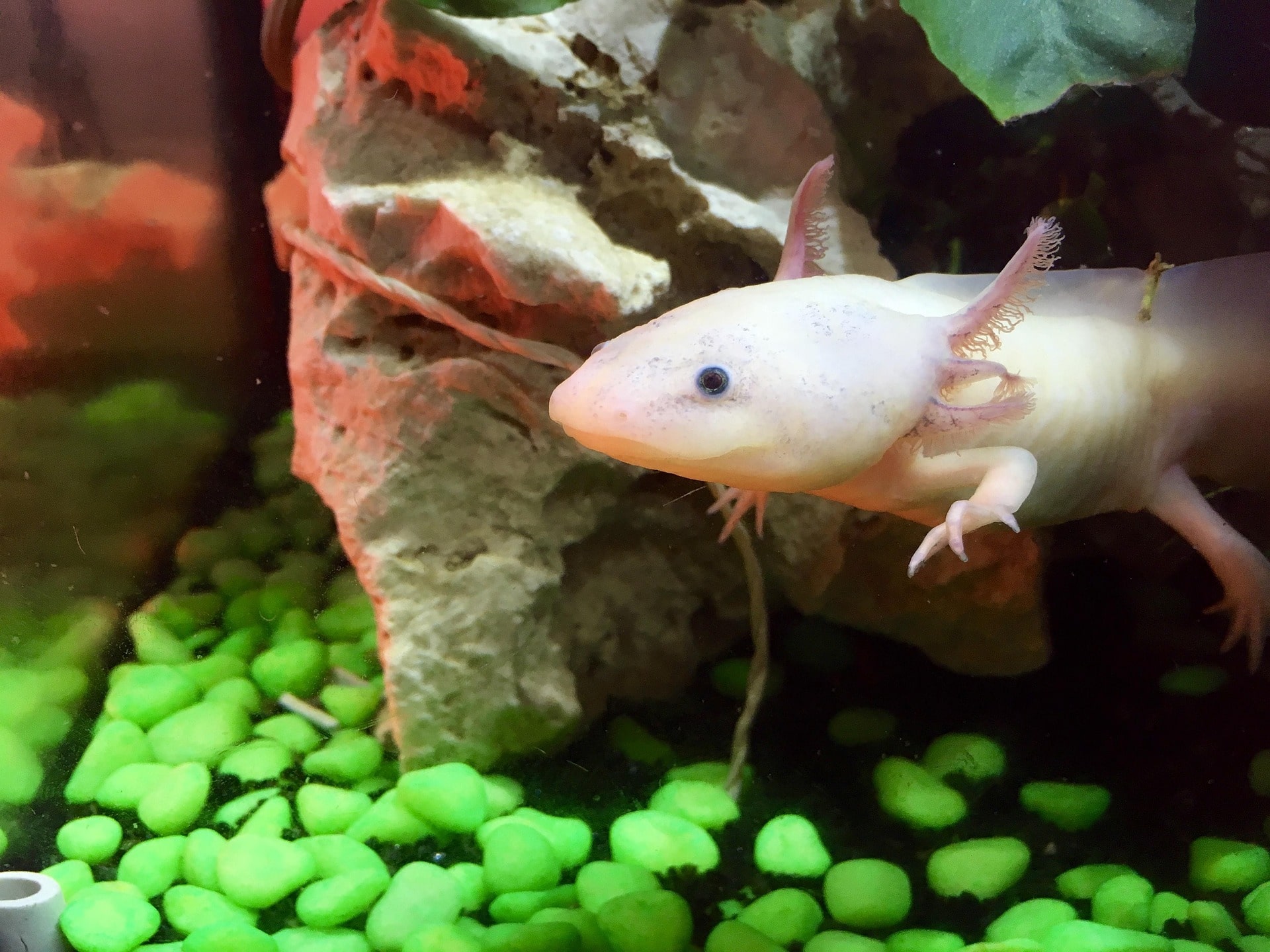
Have you ever seen a creature that looks like it’s permanently smiling and seems to have stepped straight out of a fantasy novel? Meet the axolotl – one of nature’s most fascinating and adorable amphibians. These underwater wonders have captured hearts worldwide with their perpetual grins and incredible abilities that sound almost too good to be true. If you’re curious about facts about axolotls, prepare to be amazed by these remarkable creatures that seem to defy the laws of biology.
What Exactly Is an Axolotl?
The axolotl (pronounced “AX-oh-lot-ul”) is a type of salamander that’s native to the lake systems of Mexico City. Unlike most amphibians that eventually lose their gills and move to land, axolotls remain aquatic their entire lives. They’re what scientists call “neotenic,” which means they keep their juvenile features into adulthood – kind of like being a perpetual teenager, but in the best possible way.
Axolotl Cool Facts That Will Blow Your Mind
Here’s where things get really wild. Axolotls possess one of the most remarkable healing abilities in the animal kingdom. They can regenerate entire limbs, parts of their heart, brain tissue, and even portions of their spinal cord. If an axolotl loses a leg, it doesn’t just heal over with scar tissue – it grows back a completely functional limb, complete with bones, muscles, nerves, and blood vessels. Scientists are studying this incredible ability, hoping it might one day help humans with spinal cord injuries and other medical conditions.
Another mind-blowing fact is that axolotls can regenerate the same limb multiple times throughout their lives. Some have been documented regrowing the same appendage over 100 times without any loss of function. Talk about having a backup plan!
Their Unique Appearance and Breathing
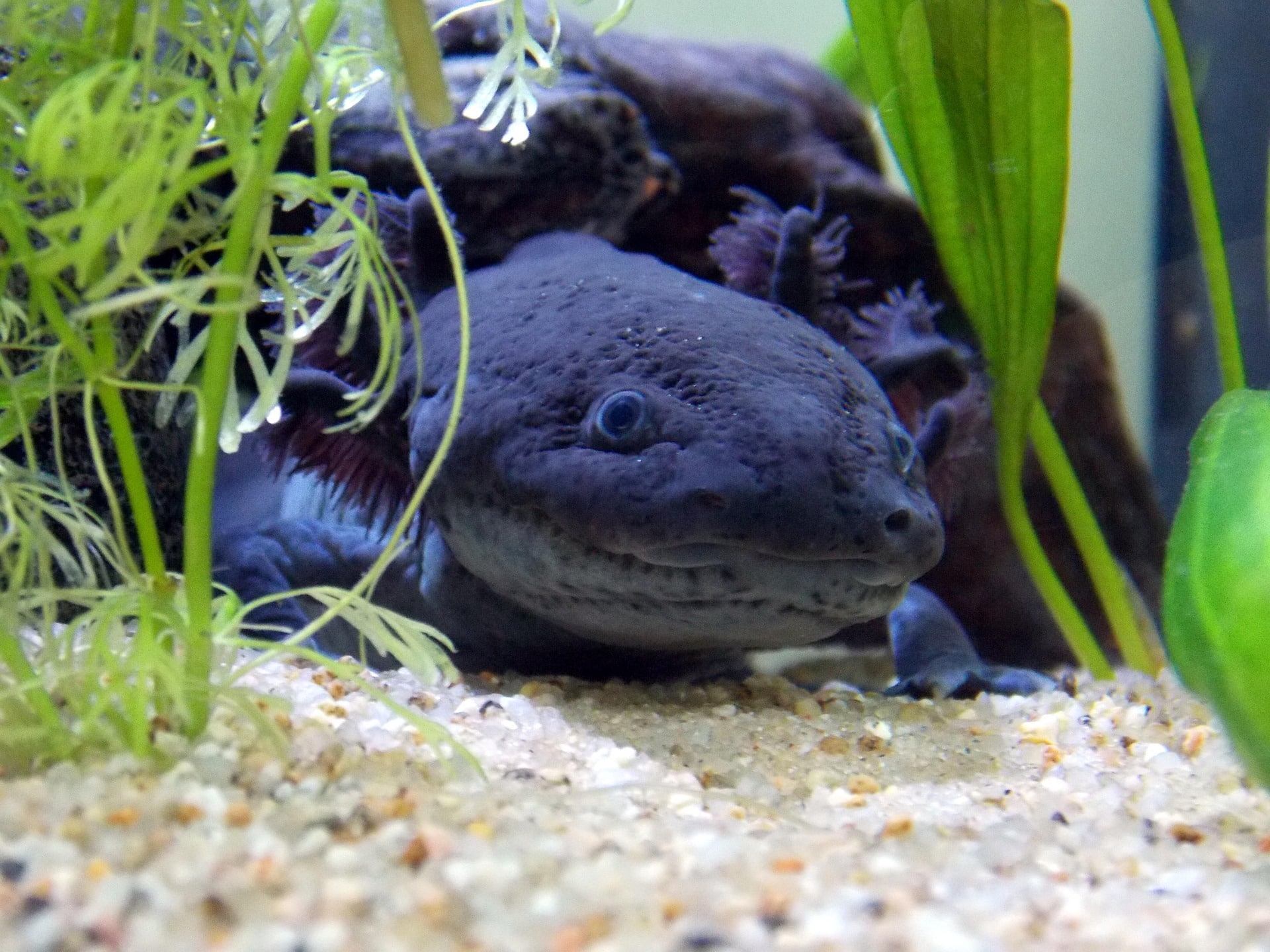
Those feathery things sticking out from their heads aren’t just for show – they’re external gills that help them breathe underwater. Unlike fish gills, axolotl gills are incredibly delicate and beautiful, almost resembling underwater flowers. They come in various colors, from the common muddy brown (leucistic) to bright pink, golden, and even completely white varieties.
Axolotls also have lungs and can occasionally surface for air, though they prefer to stay submerged. They can even absorb some oxygen through their skin, giving them multiple ways to breathe – pretty handy for an aquatic lifestyle.
Axolotl Interesting Facts About Their Lifestyle
In the wild, axolotls are nocturnal hunters with surprisingly good appetites for creatures that look so zen. They’ll eat anything that fits in their mouths, including worms, insects, small fish, and even other axolotls if they’re feeling particularly hungry. They don’t have teeth, so they swallow their prey whole using suction – imagine a living, underwater vacuum cleaner with a smile.
These creatures are also surprisingly long-lived. In captivity, axolotls can live 10-15 years or even longer with proper care. They’re relatively low-maintenance pets, which has made them popular in home aquariums, though they do require cool water temperatures and specific care requirements.
Conservation and Cultural Significance
Unfortunately, wild axolotls are critically endangered. Pollution, urbanization, and the introduction of invasive species have decimated their natural habitat. Today, there are believed to be fewer than 1,000 axolotls left in the wild, though millions exist in laboratories and as pets worldwide.
In Mexican culture, axolotls hold special significance. The Aztecs named them after their god Xolotl, and they were considered a delicacy. The name literally translates to “water dog” or “water monster,” though most people today would argue they’re more adorable than monstrous.
Why Scientists Love Them
Beyond their regenerative abilities, axolotls are valuable to scientific research for other reasons. They have large eggs that are easy to study, making them perfect for developmental biology research. Their genome was fully sequenced in 2018, revealing it’s about 10 times larger than the human genome – massive for such a relatively simple creature.
Conclusion
Facts about axolotls reveal them to be some of nature’s most extraordinary creatures. From their incredible healing powers to their perpetual smiles, these “Mexican walking fish” (though they’re not fish at all!) continue to amaze scientists and animal lovers alike. While their wild populations face serious threats, their contribution to scientific research and their growing popularity as unique pets ensure that these remarkable amphibians will continue to fascinate future generations. Whether you’re drawn to their cute appearance or amazed by their superhero-like abilities, axolotls prove that sometimes the most incredible facts about nature can be found in the most unexpected packages.