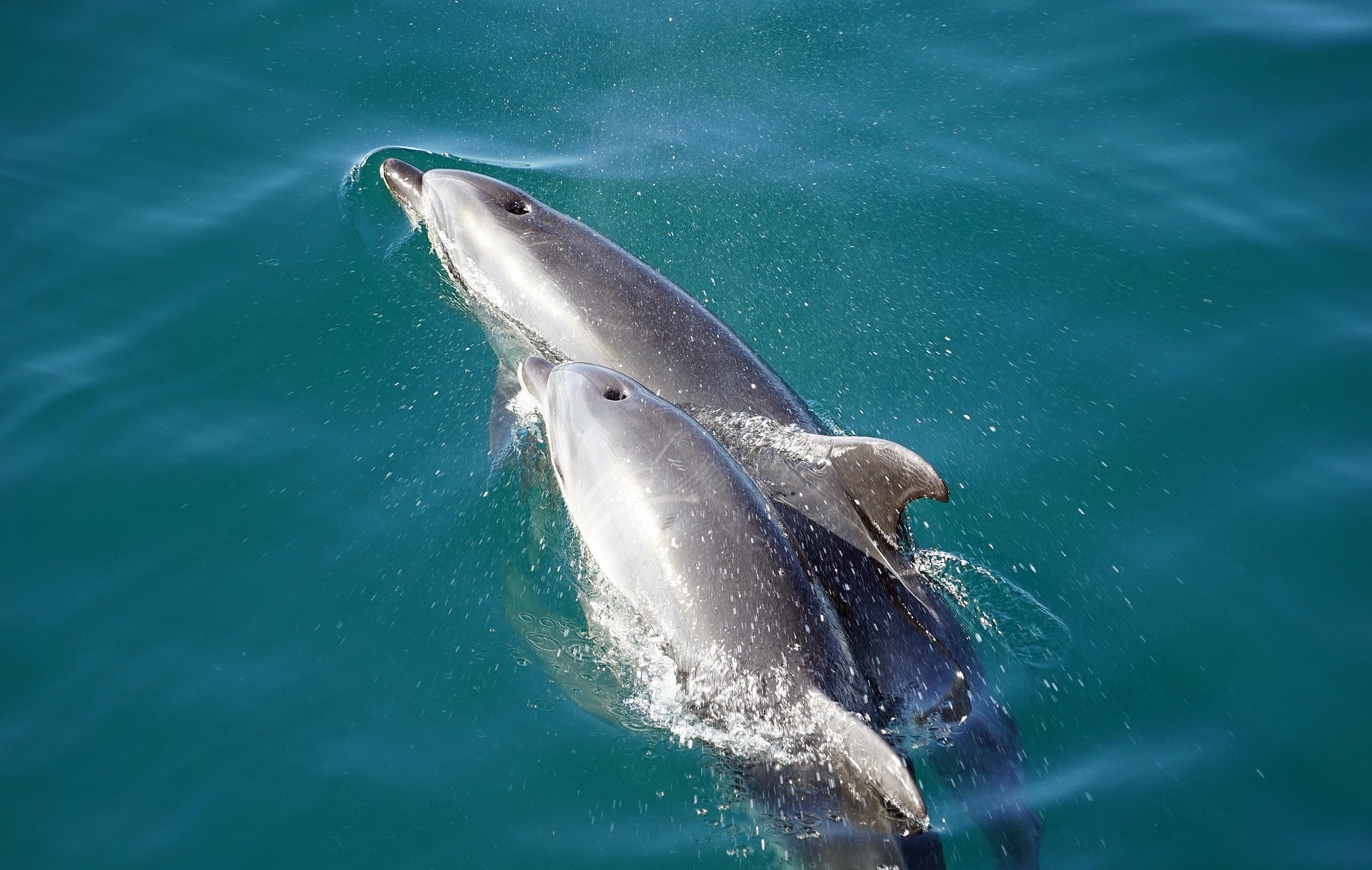
When it comes to marine life, few creatures capture our imagination quite like dolphins. These intelligent mammals have fascinated humans for centuries with their playful nature, remarkable abilities, and complex social behaviors. Whether you’re a marine biology enthusiast or simply curious about ocean life, these dolphin facts will give you a whole new appreciation for these incredible animals.
The Brainy Side of Dolphins
Let’s start with some fun facts about dolphins that showcase just how smart these creatures really are. Dolphins have one of the largest brain-to-body ratios in the animal kingdom, second only to humans. Their brains are packed with neurons and feature a highly developed cerebral cortex, which is responsible for complex thinking and problem-solving.
What makes this even more fascinating is that dolphins can recognize themselves in mirrors, a test that many animals fail. This self-awareness is something they share with only a handful of species, including great apes and elephants. They’ve also been observed using tools in the wild, such as carrying sponges on their noses to protect themselves while foraging on the ocean floor.
Communication Masters
Here are some interesting facts about dolphins that will blow your mind: these marine mammals have their own unique “names” called signature whistles. Each dolphin develops its own distinctive whistle pattern early in life, and other dolphins in their pod learn to recognize and use these whistles to call specific individuals. It’s essentially like having a name in dolphin society!
Dolphins also use echolocation, a biological sonar system that’s far more sophisticated than anything humans have created. They emit clicks and listen to the echoes bouncing back, creating detailed mental maps of their surroundings. This system is so precise that dolphins can “see” inside objects and even detect buried fish in the sand.
Social Butterflies of the Sea
When exploring dolphins animal facts, their social structure stands out as truly remarkable. Dolphins live in complex societies called pods, which can range from small family groups of 2-4 individuals to massive superpods containing thousands of dolphins. These groups have intricate hierarchies and relationships that can last for decades.
Female dolphins often form alliances to help raise each other’s calves, while male dolphins create coalitions to compete for mates. They’ve been observed showing empathy, helping injured pod members, and even playing games together, behavior that speaks to their emotional intelligence.
Physical Marvels
Some cool facts about dolphins involve their incredible physical abilities. These streamlined athletes can swim at speeds up to 35 miles per hour and dive to depths of over 1,000 feet. Their sleek bodies are perfectly designed for life in the water, with a special adaptation called “burst swimming” that allows them to leap completely out of the water.
Dolphins also have remarkable healing abilities. When they get injured, their wounds heal incredibly fast with minimal scarring. Scientists are still studying this phenomenon, hoping to apply what they learn to human medicine.
Amazing Sensory Superpowers
Here are some amazing facts about dolphins that showcase their extraordinary senses. Beyond their famous echolocation, dolphins can detect electrical fields generated by other living creatures, a ability called electroreception. This helps them hunt for fish hiding in the sand or murky water.
Their eyesight is also exceptional both above and below water, thanks to special adaptations in their eye structure. Dolphins can see clearly in both bright surface conditions and the dimmer depths of the ocean, switching between these environments seamlessly.
Unexpected Behaviors
Dolphins display behaviors that continue to surprise researchers. They’ve been observed surfing waves just for fun, playing catch with seaweed, and even getting “high” by carefully handling puffer fish that release toxins. Some dolphins have learned to use human fishing nets as tools, while others have figured out how to create bubble nets to trap fish.
In some parts of the world, dolphins have formed cooperative relationships with human fishermen, helping them catch fish in exchange for a share of the catch, a partnership that benefits both species.
Conservation and Future
While learning about these incredible creatures, it’s important to remember that many dolphin species face threats from pollution, climate change, and human activities. Understanding and sharing these fascinating dolphin facts helps build awareness about the importance of protecting our ocean ecosystems.
Conclusion
From their complex social lives to their remarkable intelligence, dolphins continue to amaze us with their capabilities. These dolphin facts only scratch the surface of what makes these marine mammals so extraordinary. Their advanced communication systems, problem-solving abilities, and emotional depth remind us that we share our planet with truly remarkable creatures.
The more we learn about dolphins, the more we realize how much we still don’t know. Each new discovery adds another piece to the puzzle of understanding these incredible animals. If you enjoyed learning about these aquatic marvels, you might also find our article about jellyfish facts equally fascinating, another group of ocean dwellers with their own set of surprising abilities.
Next time you see dolphins in the wild or even in documentaries, you’ll have a deeper appreciation for the complex, intelligent beings swimming beneath the waves. These ocean ambassadors continue to teach us about the wonders of marine life and the importance of protecting our blue planet.